S-01Texture
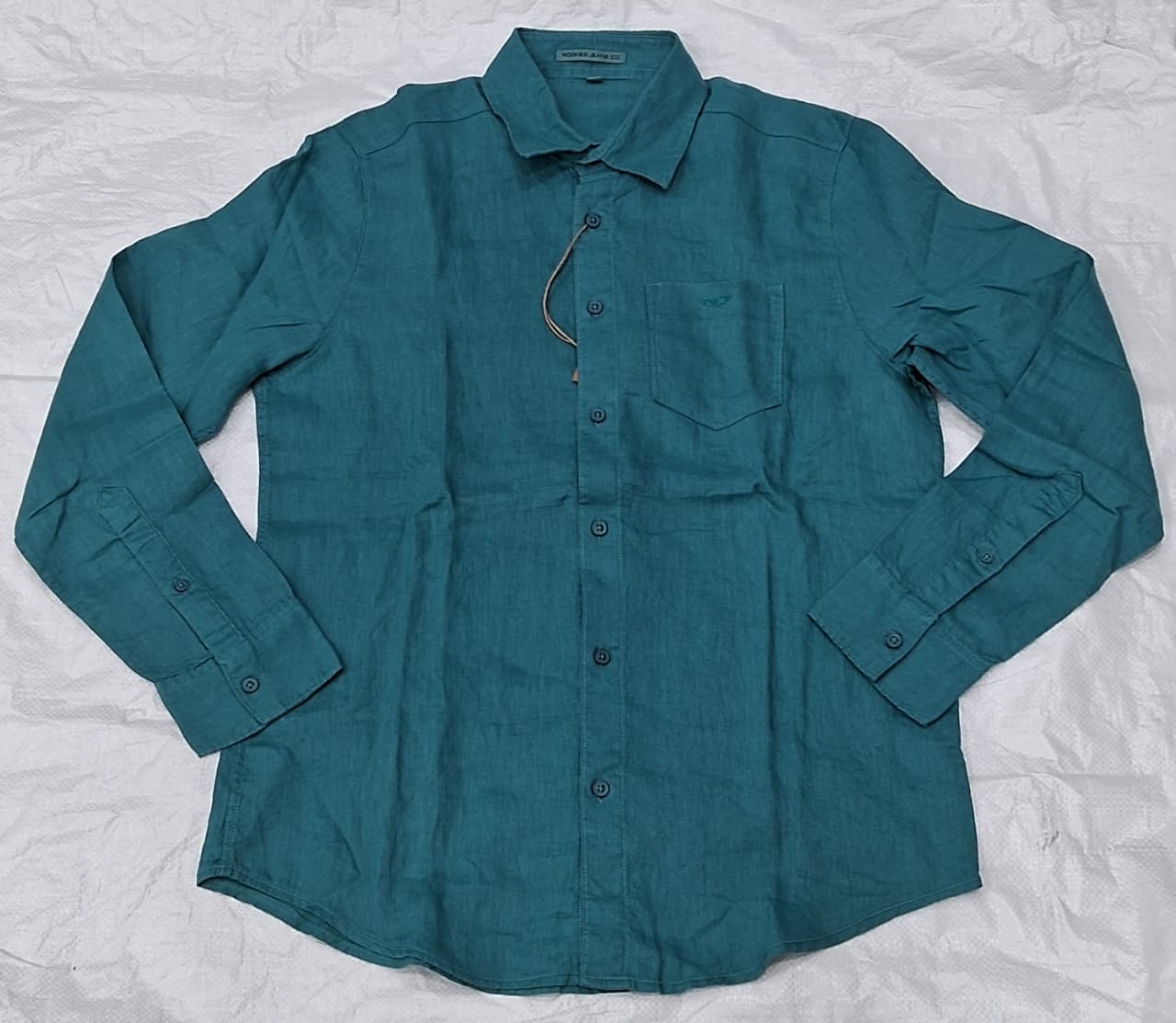
Surface texture
Texture is created by the weave and the yarn. A visibly textured surface, like this teal shirt, catches light and adds depth; it reads more relaxed than a smooth poplin and hides creases better through the day.

Thane/Mumbai
A contemporary tailoring laboratory: how cut and cloth decide the comfort, silhouette and appearance of a men's formal shirt.
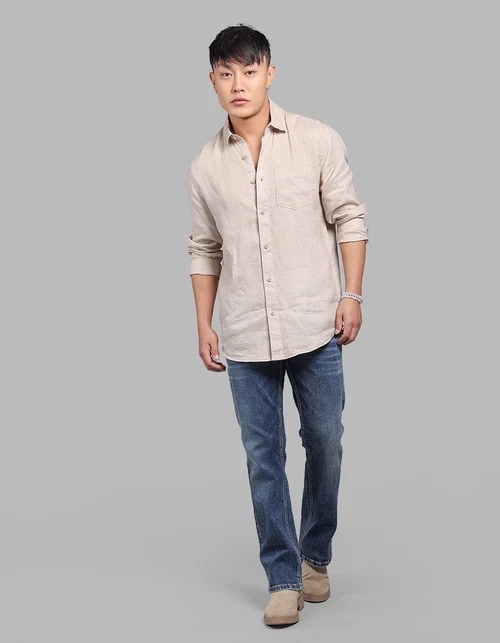
Lab 01 — Fit comparator
Select a fit to compare its silhouette against the body outline. These are general descriptions of each fit category — exact measurements vary by brand and garment, so always try a shirt on.
A slim-fit formal shirt follows the body closely, with a narrower chest, higher armholes, slimmer sleeves and a shaped waist — often using back darts. It creates a sharp, modern silhouette and stays neat when worn without a jacket. It suits slimmer and athletic builds best; on broader frames it can pull at the buttons.
A regular-fit formal shirt is cut straight from chest to hem with comfortable ease throughout. The sleeves are fuller and the armholes lower, which gives freedom of movement and a relaxed, classic appearance. It suits a wide range of body types and is forgiving through long days and travel.
A tailored fit sits between slim and regular: trimmer than a classic cut with a gentle taper at the waist, but with enough room to move freely. It offers a clean line without restriction and is often the most versatile choice for daily business dress, under a jacket or on its own.
Whatever the label says, the same checkpoints apply. The collar should close comfortably with room for one or two fingers. The shoulder seam should meet the edge of your shoulder. Buttons should lie flat across the chest without pulling into an X shape. When you raise your arms, the shirt should stay tucked; with arms relaxed, cuffs should reach the base of the thumb. Fit is ultimately personal — these are guidelines, not rules. Read more in How to Select the Right Shirt Fit.
Lab 02 — Fabric matrix
General characteristics of common formal shirt fabrics. Ratings compare fabrics with each other and are indicative only — actual performance depends on yarn, weight and finishing.
| Fabric | Texture | Weight | Breathability | Formality | Best for |
|---|---|---|---|---|---|
| Cotton | Natural fibre; soft and comfortable. The base yarn of most shirting weaves. | Varies | All-year office wear; India's warm climate. | ||
| Poplin | Smooth, crisp and fine with a subtle sheen. | Light | Business shirts, suits, warm weather. | ||
| Oxford | Visible basket weave; soft and textured. | Mid–heavy | Button-down collars, smart-casual days. | ||
| Twill | Fine diagonal rib; soft hand with gentle sheen. | Mid | Travel, cooler rooms, crease resistance. | ||
| Pinpoint | Finer basket weave; smooth with slight texture. | Light–mid | Versatile office shirts, with or without a tie. |
Texture is created by the weave and the yarn. A visibly textured surface, like this teal shirt, catches light and adds depth; it reads more relaxed than a smooth poplin and hides creases better through the day.
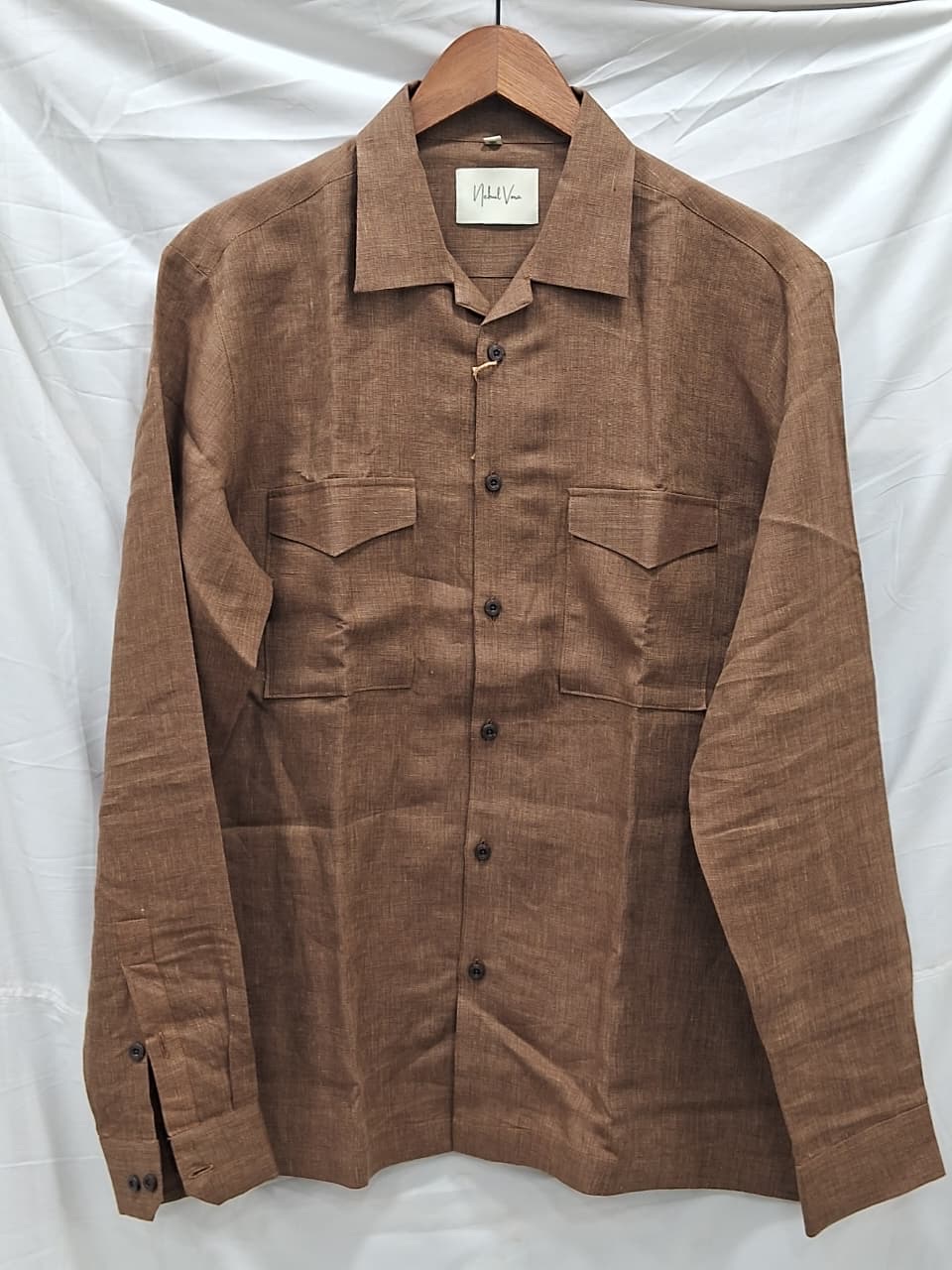
Breathability depends on how freely air passes through the cloth. Looser, slubbed and lighter weaves feel cooler — an important consideration for Mumbai and Thane summers and monsoon humidity.
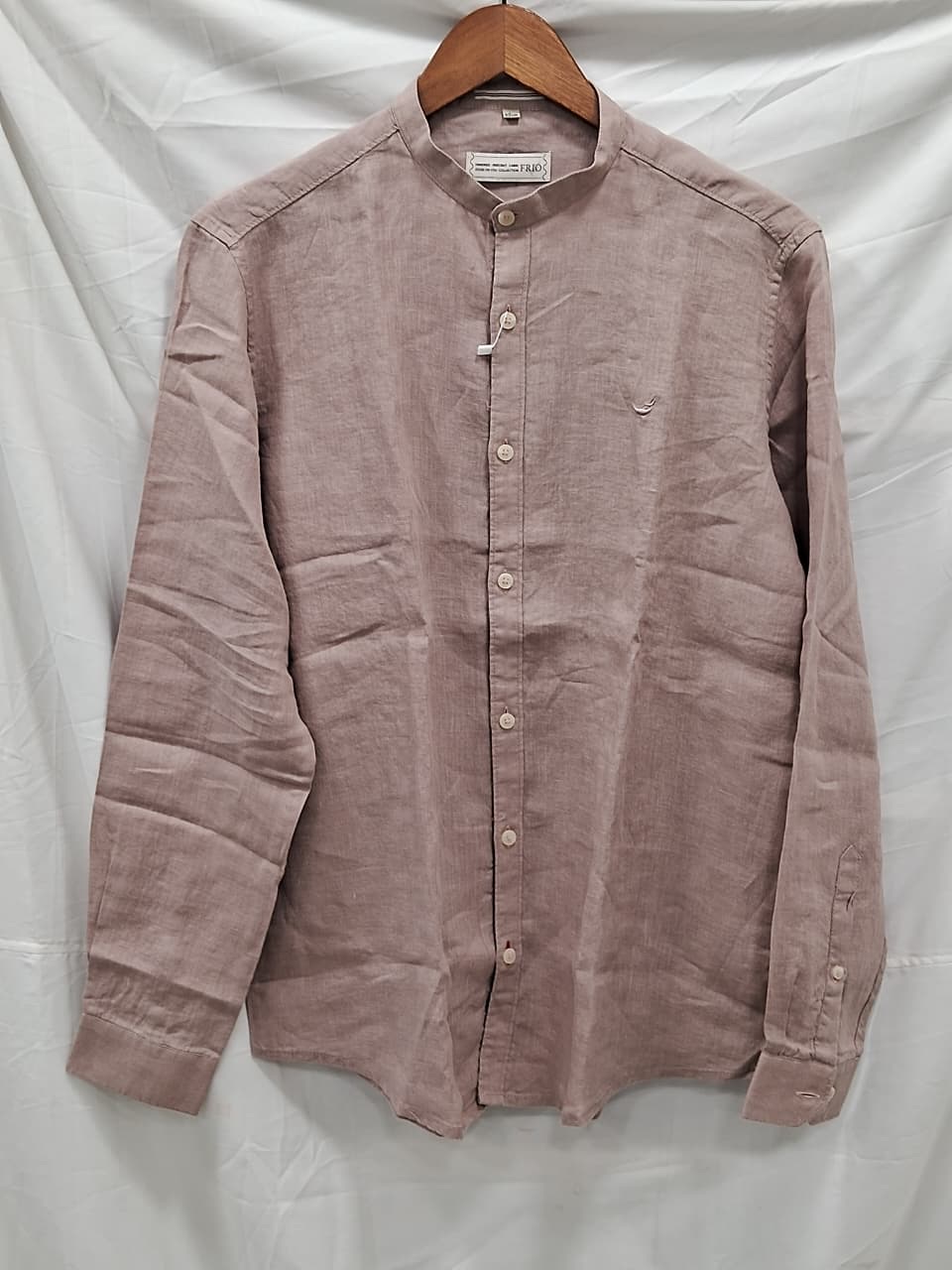
Fabric weight affects opacity, warmth and drape. Lighter cloths are cool but can be slightly sheer in pale colours; mid-weights hold their shape and are more forgiving.
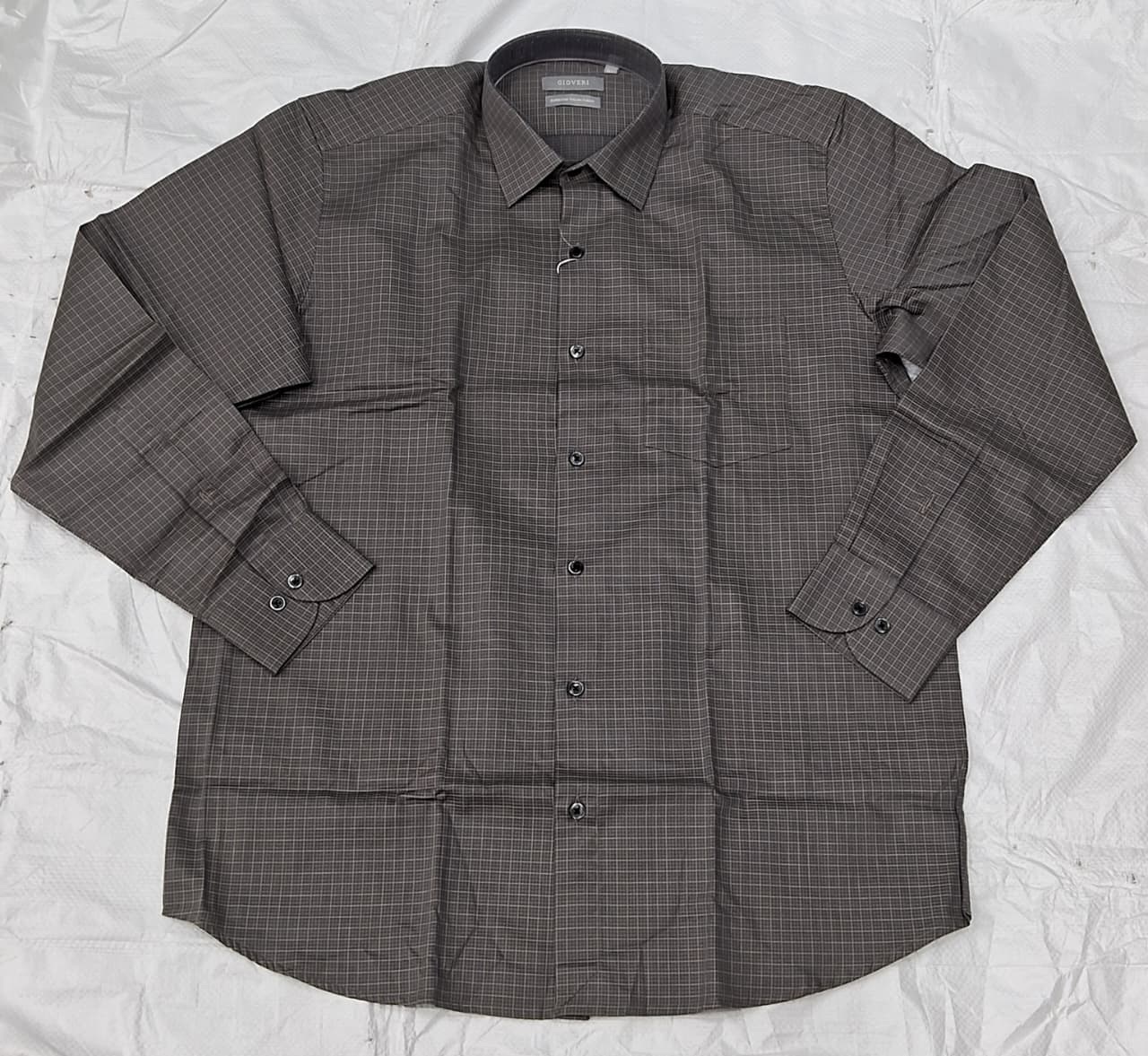
Some patterns are woven rather than printed — yarns of different colours create a fine check that reads as texture from a distance.
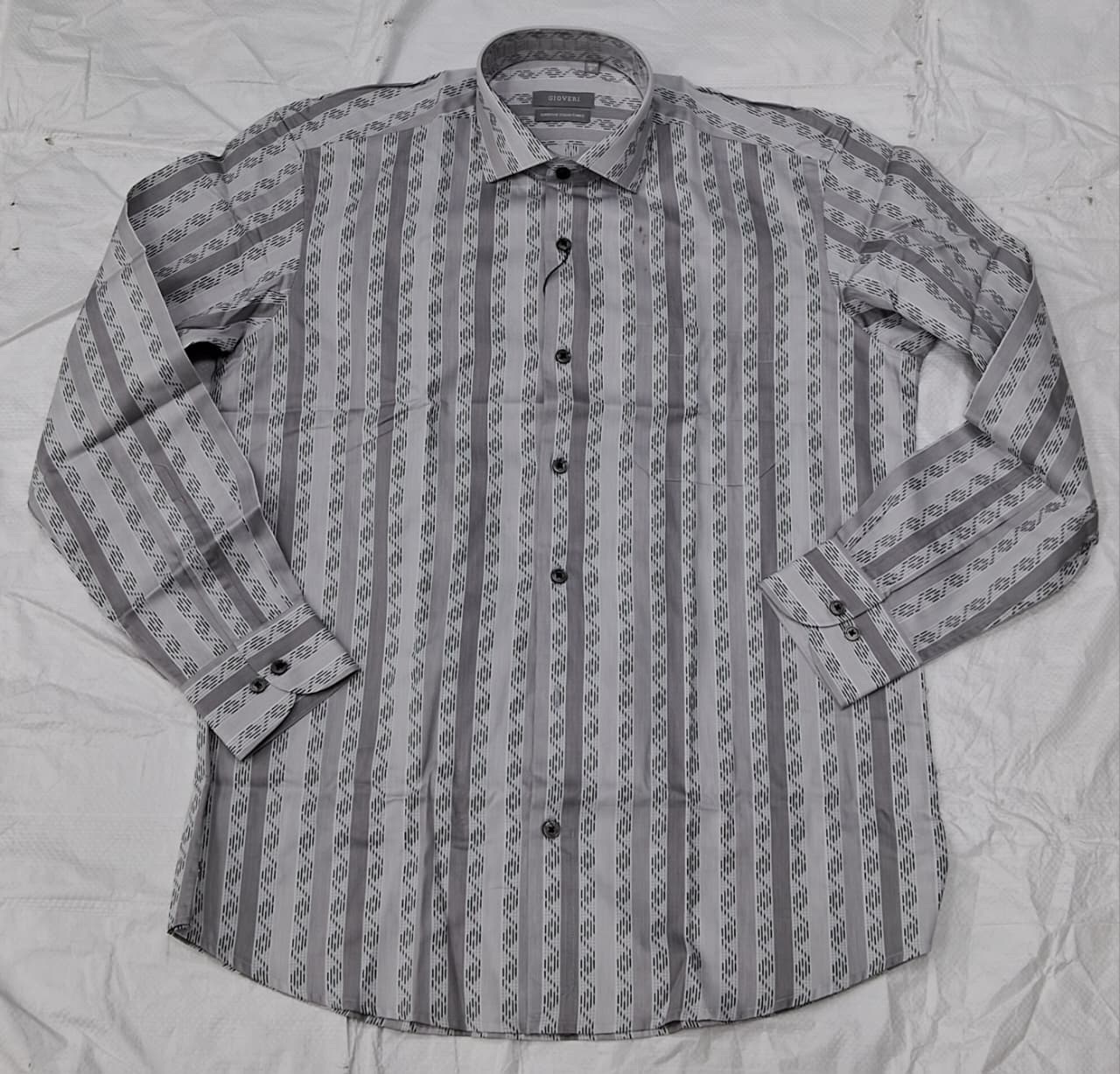
Jacquard and dobby weaves add structure and pattern. Heavier, structured cloths hold a crisp line; softer cloths drape closely to the body.
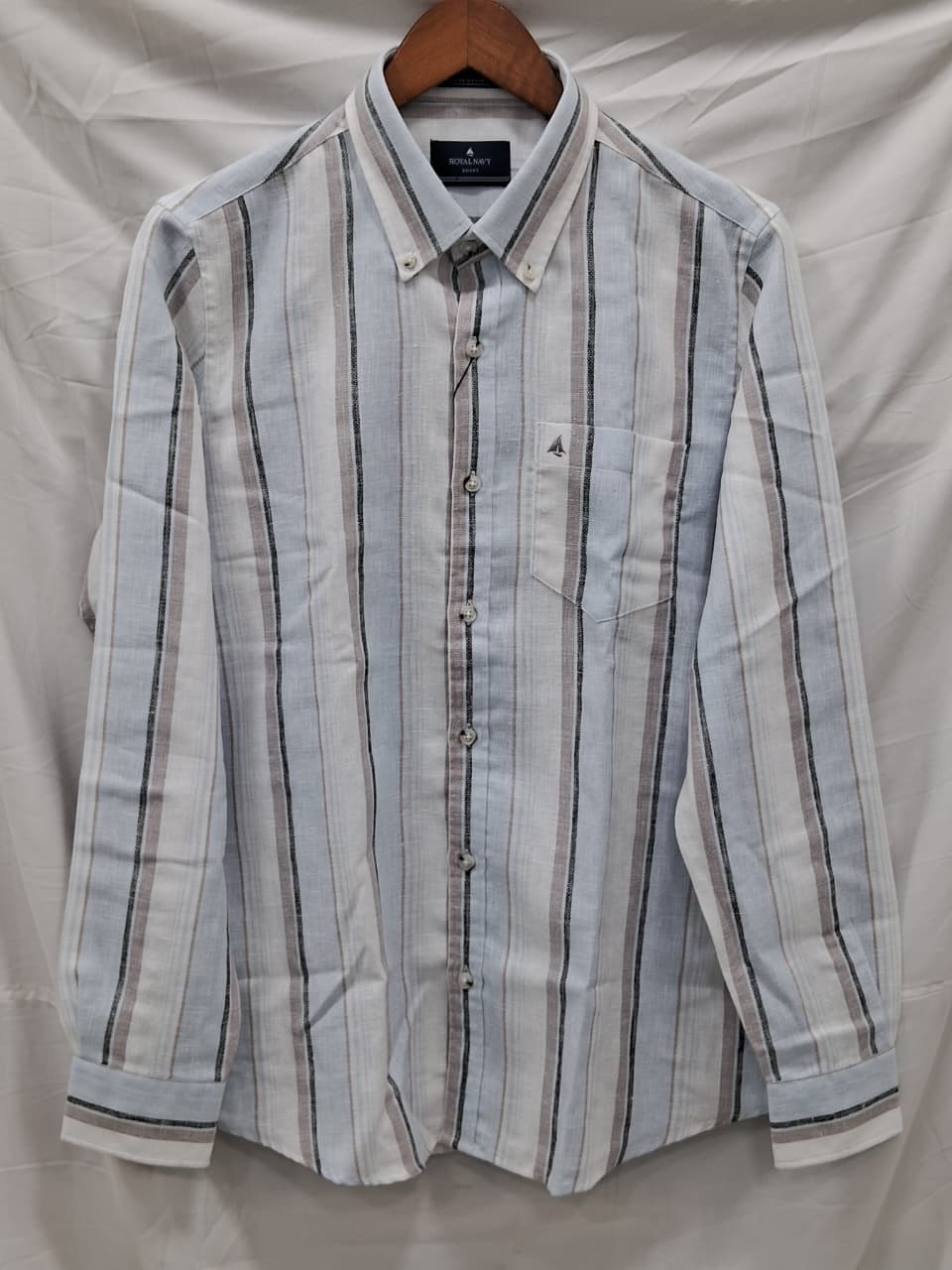
Soft, textured shirting with a button-down collar has an easy, academic character — the natural home of oxford-type weaves.
Lab 03 — Construction & finishing
Fit and fabric only succeed when construction supports them. These are the stages that turn cloth into a formal shirt.
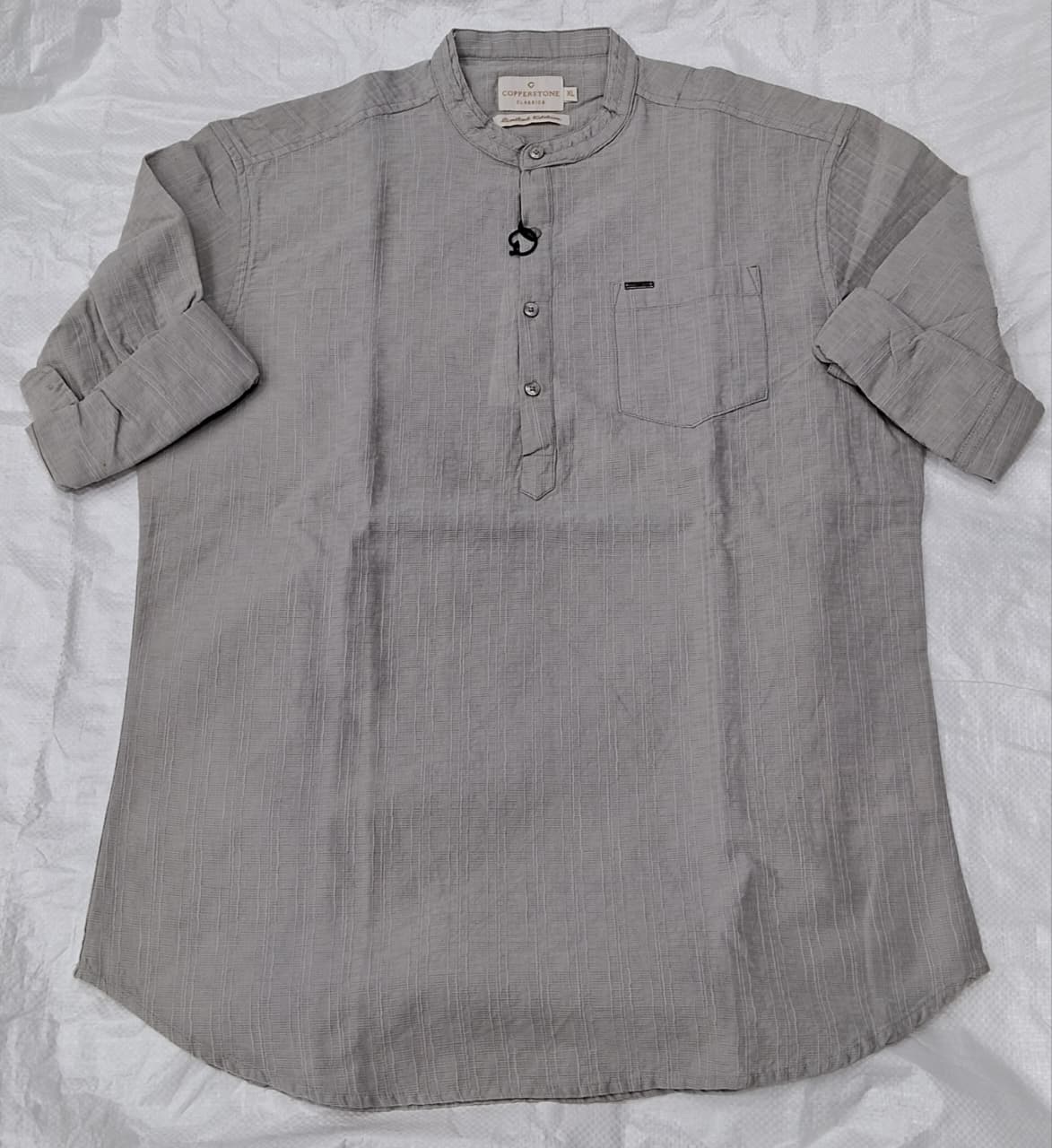
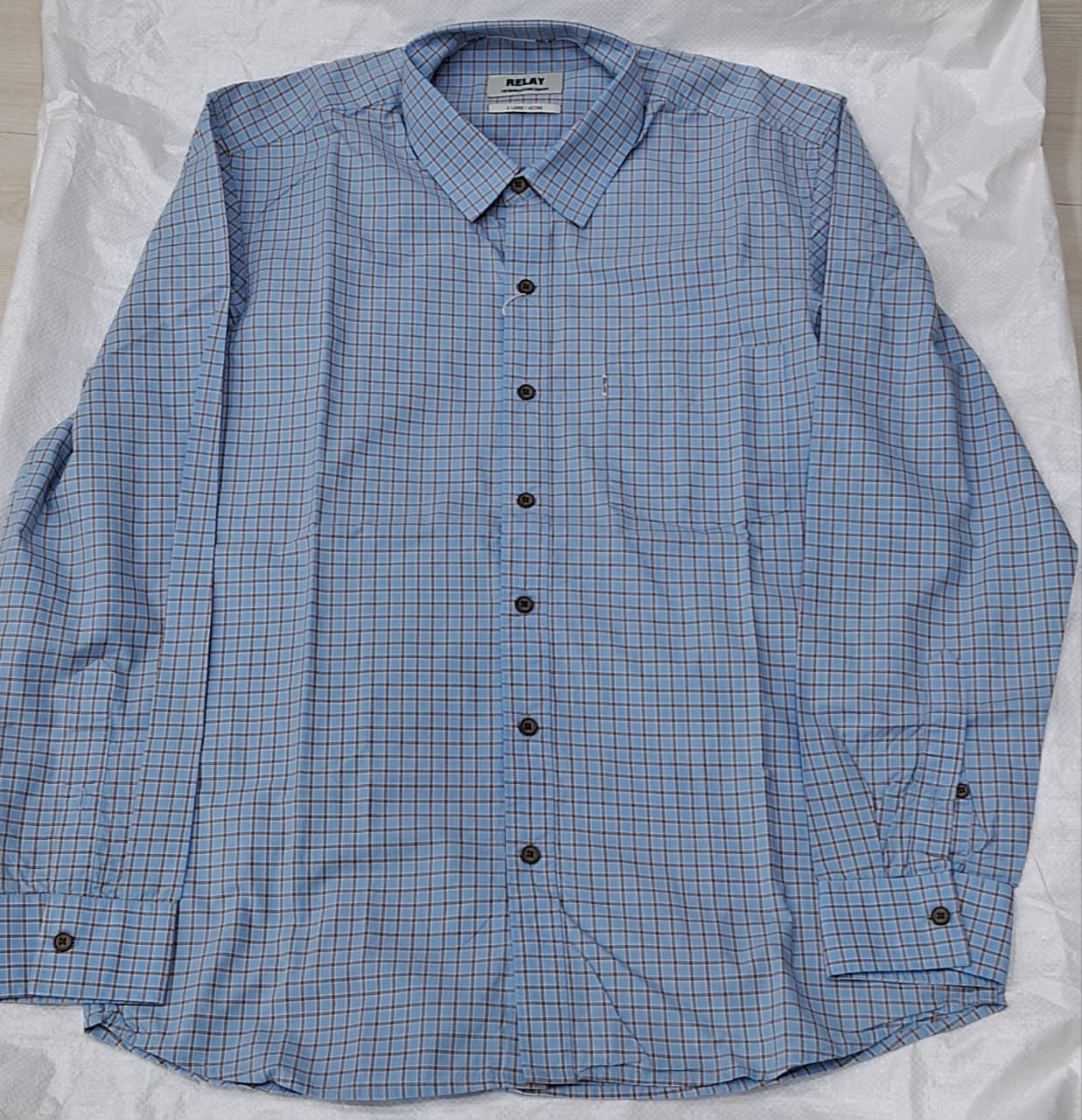
Panels are cut along the grain so the fabric hangs straight. On stripes and checks, careful cutting aligns the pattern across the placket and pocket.
An inner layer gives collars and cuffs their structure. Its stiffness decides whether a collar is soft and rolled or crisp and sharp.
Flat-felled seams enclose raw edges for strength and a clean inside finish, especially on side and sleeve seams.
Higher stitch density produces neater, more durable seams that resist puckering after washing.
Tight, clean buttonholes and securely anchored buttons are small signs of careful finishing.
Treatments such as mercerising add lustre and strength; easy-care finishes reduce creasing and ironing time.
Final pressing sets the collar roll, placket and cuffs — the shape you first see on the hanger.
Follow the care label, wash similar colours together, and hang shirts to keep collars and shoulders in shape.
Put the lab into practice — explore shirts by category and fit.
Slim & regular fit shirts