The Evolution of Men's Formal Shirts
From hidden undergarment to the centrepiece of business dress — how the formal shirt changed with the way men live and work.
An undergarment with ambitions
For centuries the shirt was underwear: a simple linen garment worn against the skin to protect costly outer clothes. Only the collar and cuffs were visible, and they became the place where status was displayed — in fine linen, lace and, later, starched white cotton.
Detachable collars and the white-collar worker
In the nineteenth century, collars and cuffs were frequently detachable. They could be washed and starched separately, so a man might wear one shirt for several days with a fresh collar each morning. The crisp white collar became so linked with office work that it gave its name to an entire class of employment.
The attached collar and a lighter century
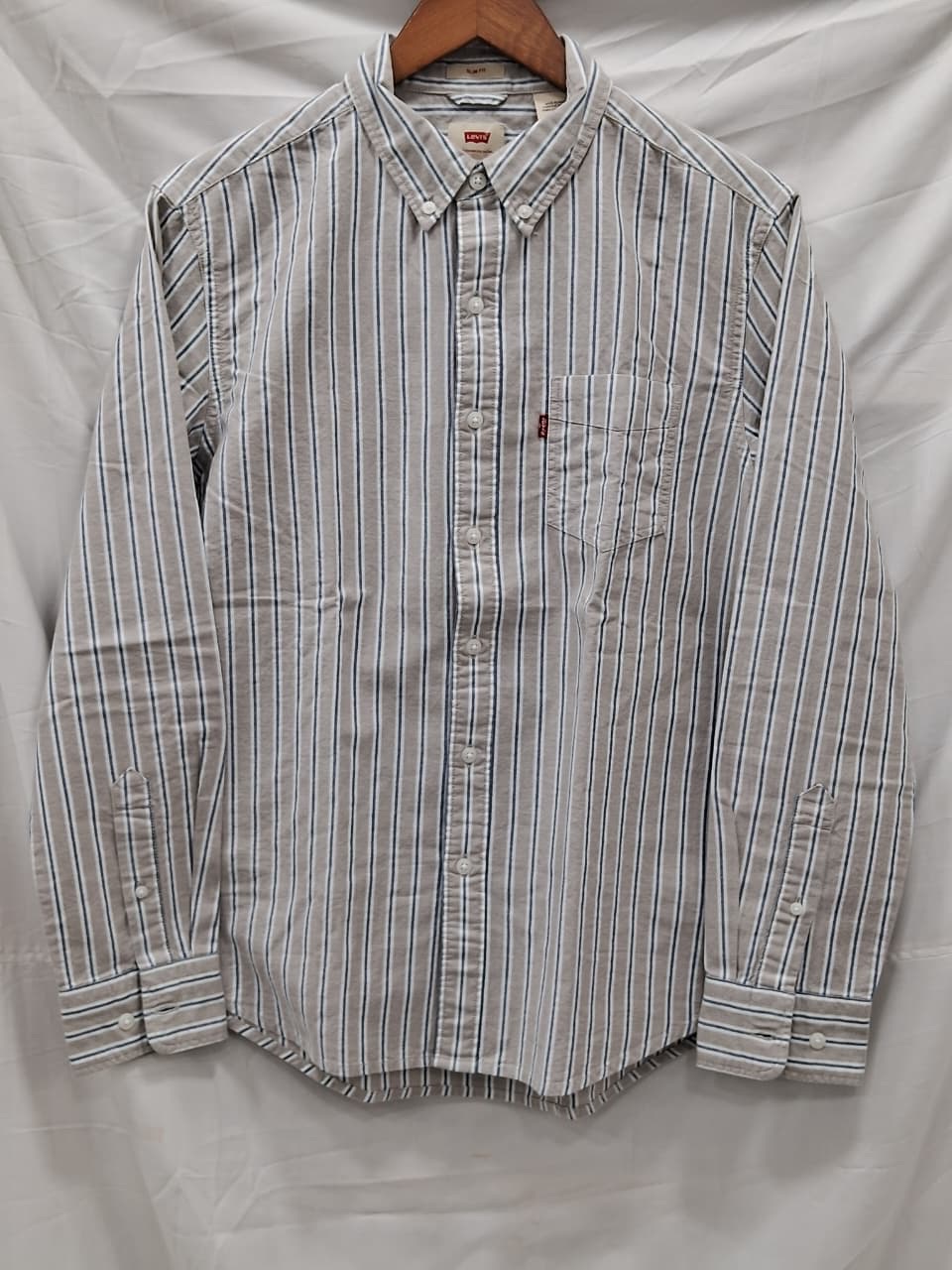
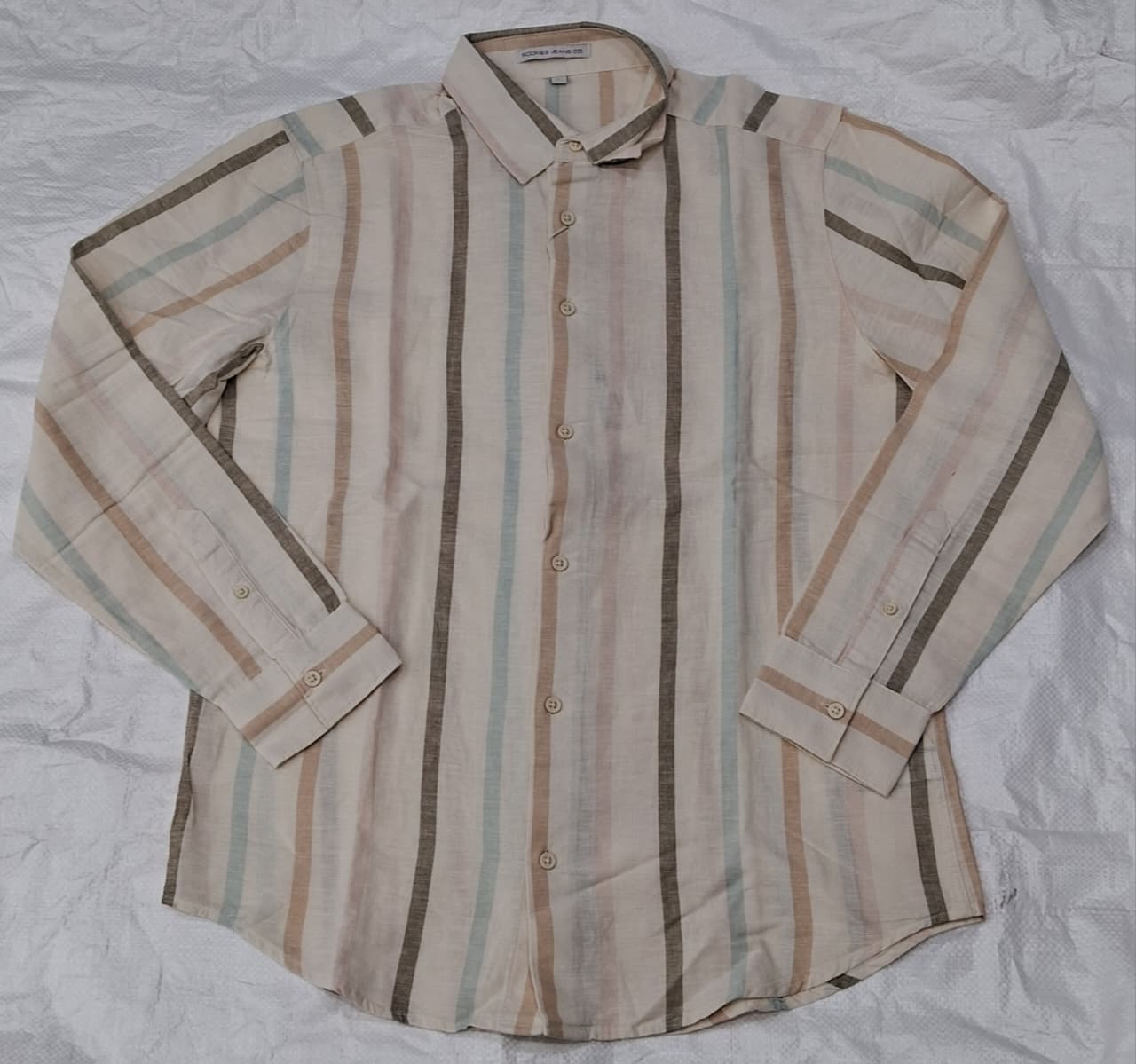
Through the early twentieth century, suits became lighter and less layered, waistcoats less universal and the shirt more visible. Attached, softer collars replaced detachable ones, colour and stripes entered the business wardrobe, and the button-down collar crossed over from sport into everyday dress.
The modern formal shirt
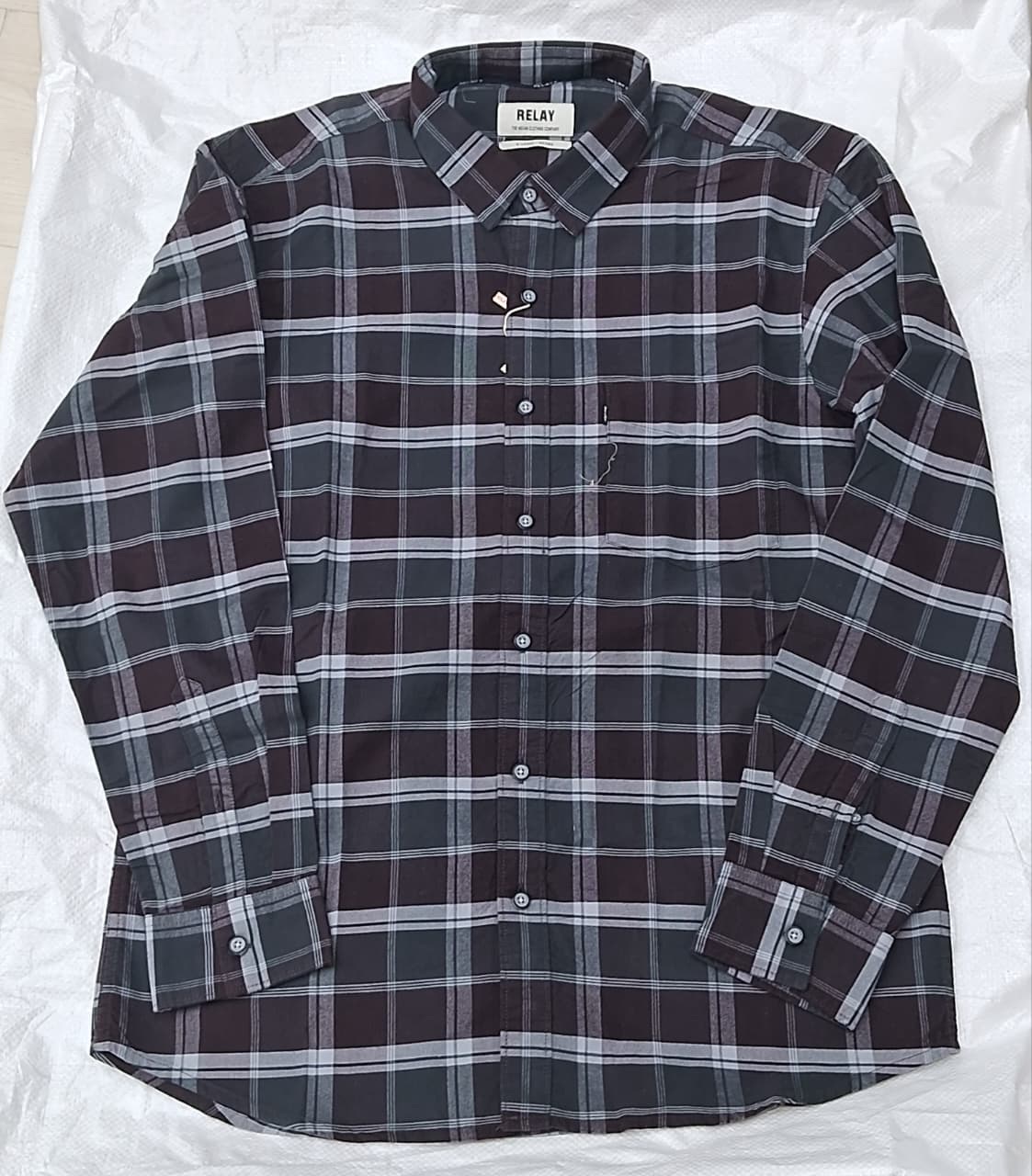
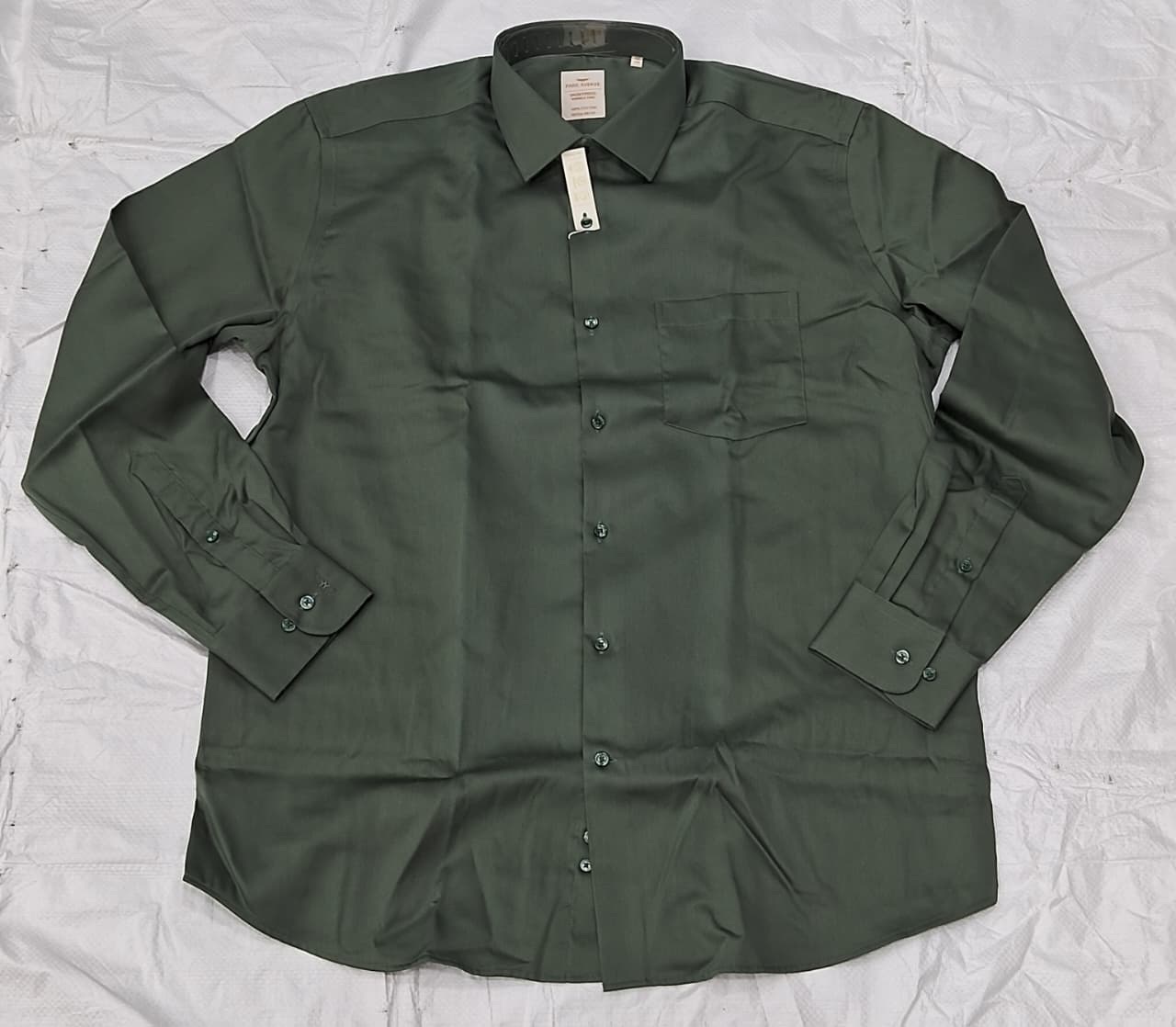
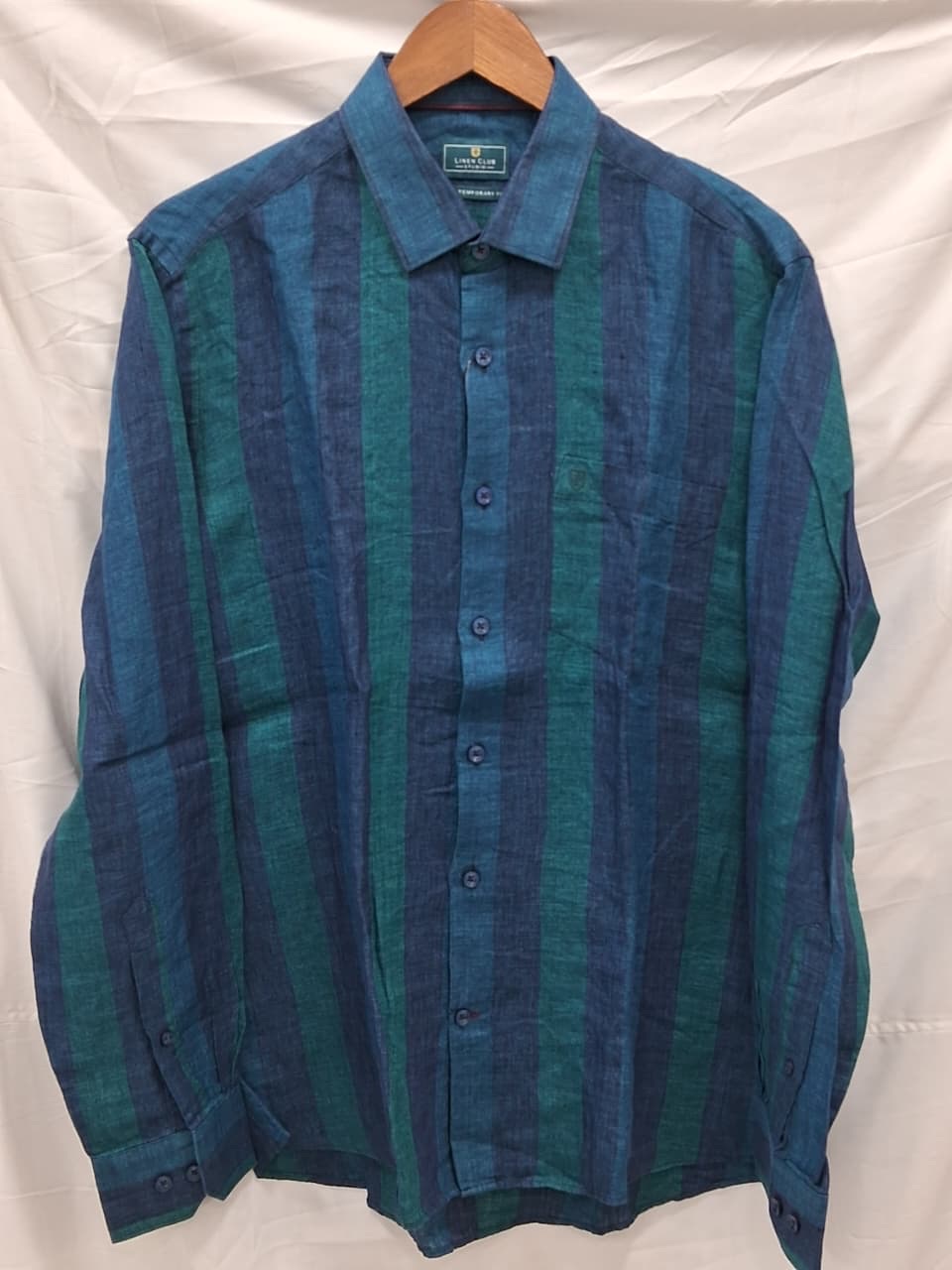
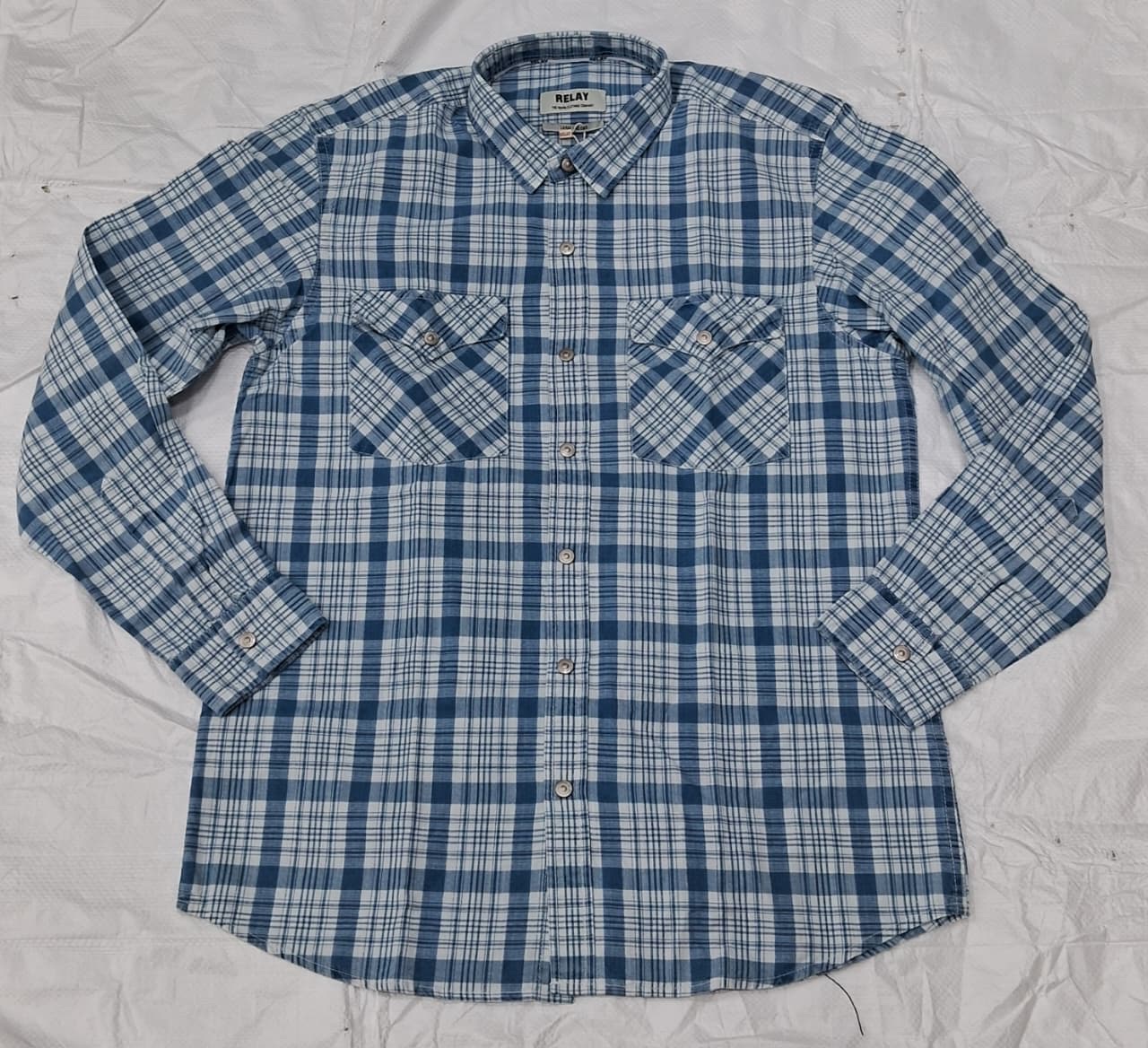
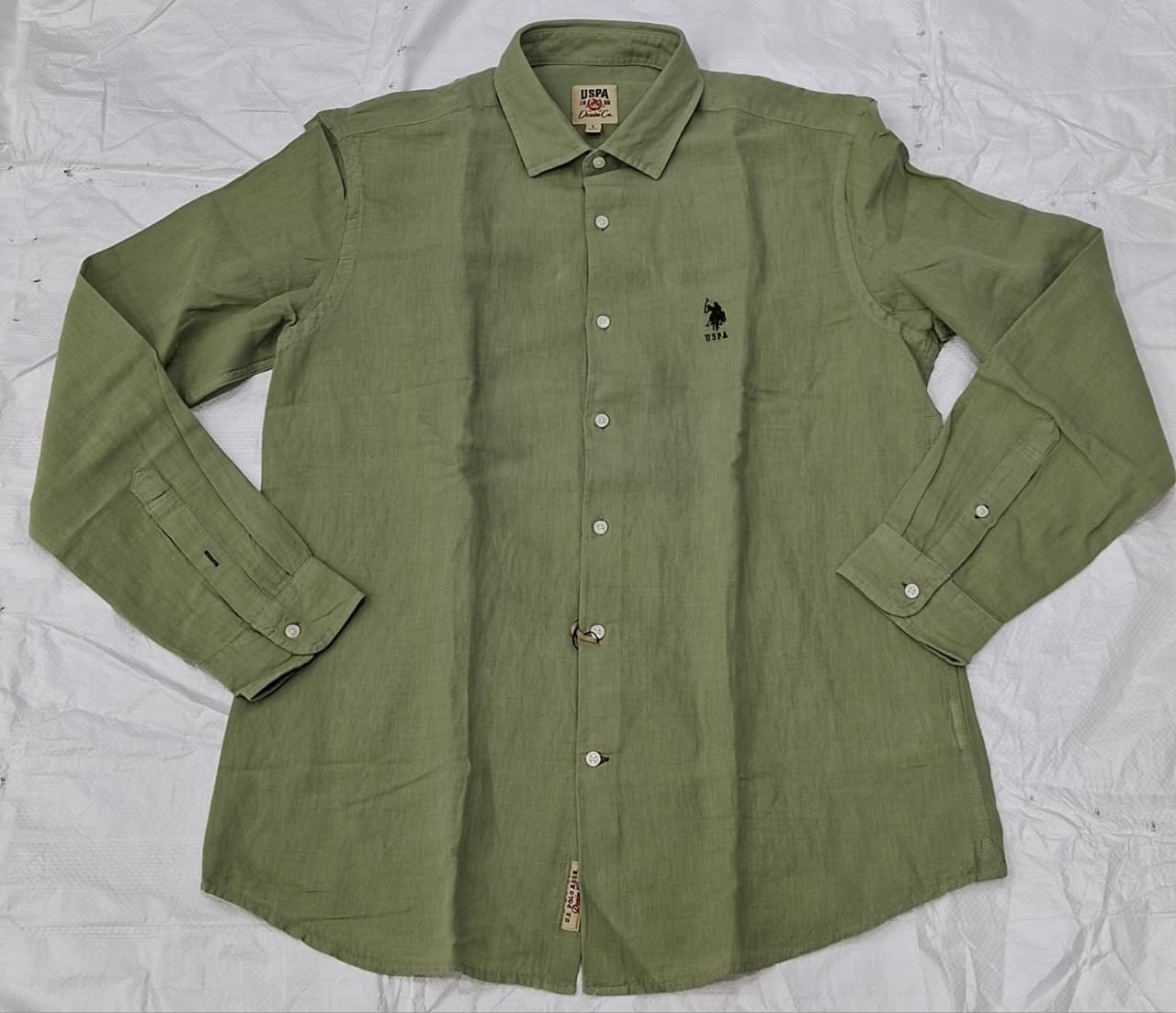
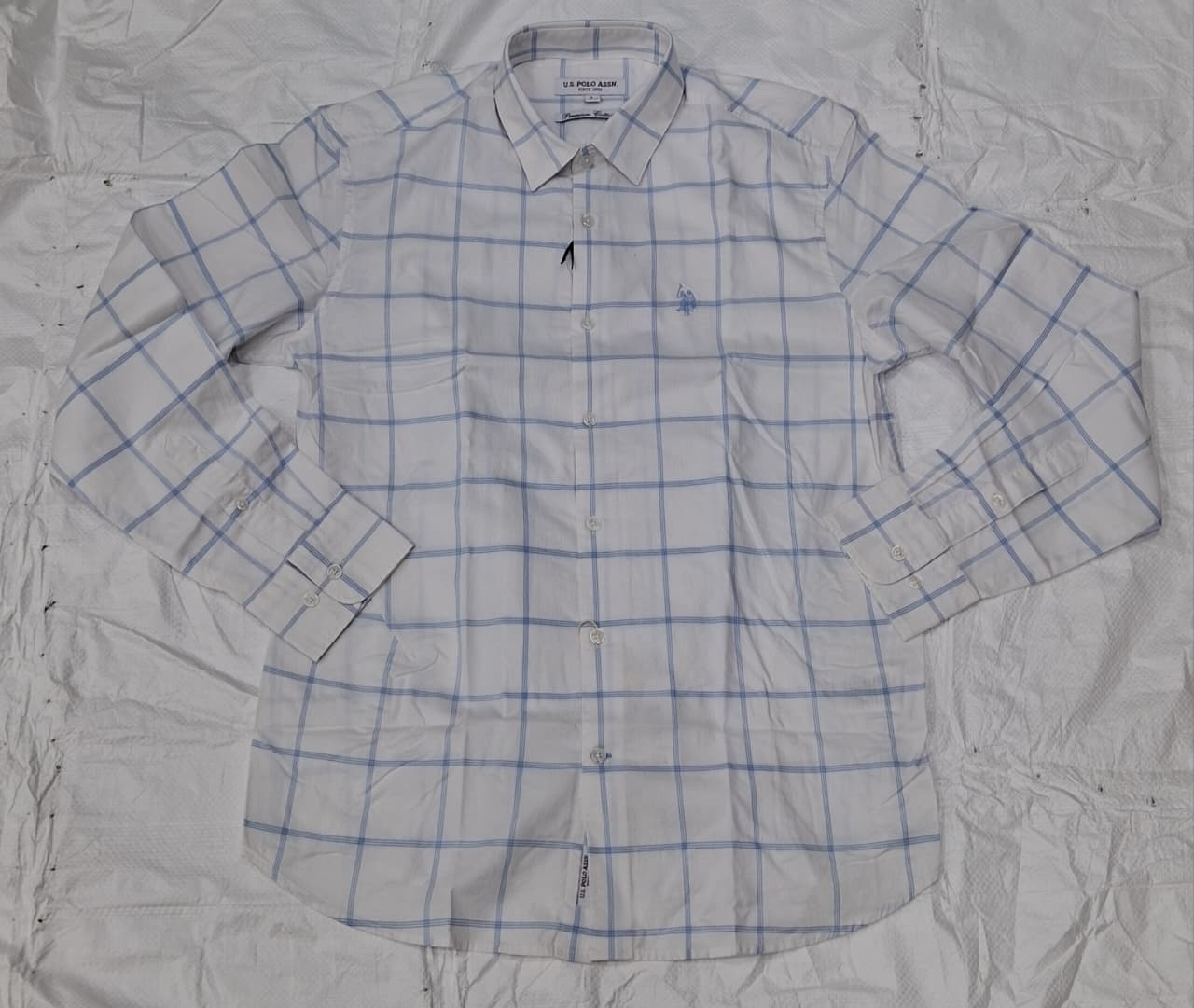
Today, in many offices the shirt carries the outfit on its own, often without a tie or jacket. That has made fit and fabric more important than ever, and given rise to slimmer cuts, performance finishes and a wider range of colours and patterns — such as the windowpane check pictured.
Continue readingShirt DesignUnderstanding shirt collars